
SUMMIT COUNTY COMBINED GENERAL HEALTH DISTRICT
1100 Graham Road Circle Stow, Ohio 44224-2992 (330) 923-4891 FAX (330) 923-7558
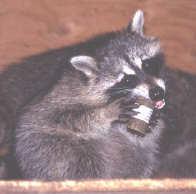
Please see attached documents regarding the baiting program from the Summit County Health Department and the Ohio Department of Health.
September 9, 2004
From:
Gene Nixon, RS, MPA, Commissioner
Summit County Combined General Health District
1100 Graham Road Circle
Stow, OH 44224-2992
Phone: 330-923-4891
For Immediate Release
Rabies Vaccine Baiting Program for Raccoons to Take Place
In the Cuyahoga Valley National Recreation Area
on September114 and 16, 2004
Stow, Ohio - The Ohio Department of Health in collaboration with the USDA Division of Wildlife Services, will initiate a rabies vaccine baiting program. The baits will be distributed by air with the use of specially equipped helicopters This program is in response to raccoons testing "positive" for rabies in Lake, Geauga and Cuyahoga Counties in northeast Ohio breaching the Ohio/Pennsylvania rabies vaccine barrier. The raccoon baiting program is scheduled to begin on September 14, 2004, and continue for 2 days, weather permitting, in the Cuyahoga Vailey National Recreation Area. Some bait may fall outside of the park's borders. The following Summit County Communities may be affected:
• Bath
• Boston
• Boston Heights
• Cuyahoga Falls
• Northfield Center
• Northfield Village
• Peninsula
• Richfield Township
• Richfield Village
• Sagamore Hills
Note: the August 30 version of this information stated that drops will also be made in
Reminderville, Twinsburg City, Twinsburg Township, and Macedonia.
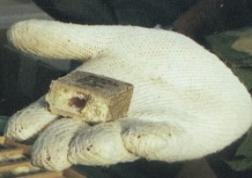
The bait is a brown square block with a strong odor of fishmeal, an ingredient in animal feed which raccoons are attracted to. A plastic packet inside the block contains a red liquid with the vaccine. A raccoon is vaccinated by eating bait containing the vaccine. The raccoon will develop antibodies in two to three weeks These antibodies will protect the raccoon if it is exposed to another infected raccoon. If enough raccoons are vaccinated, the disease will be stopped.
The bait is not harmful to people, pets or livestock. It is not possible to get rabies from the vaccine. Since the vaccine contains vaccinia virus, people with eczema and immune-suppressed conditions may be prone to a local infection if the red liquid portion of the bait gets into a wound or abrasion. People who touch the bait should wear gloves or use a paper towel or plastic bag then use soap and water to wash any skin area exposed to the vaccine.
If bait is found near homes, leave it alone if it is unbroken and in an area where pet or child contact is not likely. If the bait is out in the open or where contact by pets or children is possible, put on gloves or use a paper towel or plastic bag and toss it into deeper cover. The bait should not be touched by people less than 18 years of age, pregnant, or immunosuppressed.
Because additional baits may have been dropped nearby, check the area for more. Any other bait can be removed and placed where they are more likely to be found by a raccoon, not children or pets.
This vaccine is approved only for use in wildlife and is intended for wild animals —specifically, raccoons. A veterinarian, in accordance with state and local regulations, should vaccinate your pets. Pet vaccination is essential to protect your pet against rabies.
Everyone can help by keeping their pets inside or on leashes during the baiting time and about five days afterwards. This will help prevent pets from getting the baits and it gives raccoons a chance to eat the baits. Also, keep garbage cans tightly closed. Open trash attracts wild or stray animals. Feed your pets indoors. Pet food left outside attracts wildlife.
Important reminders:
• Be aware of what the bait looks like.
• Tell your children about the raccoon vaccination program and tell them to leave any bait alone.
• Keep dogs and cats inside or on leashes for several days after your area Is baited. Most bail will be gone in about 3 days.
• Do not attempt to take bait away from your pet! That is the same as taking food away from an animal. You may be bitten.
• Baits may be picked up while wearing gloves, or with a plastic bag or towel.
• Do not handle partially eaten or damaged bait with bare hands.
• Damaged baits should be placed in a baggie and disposed of in normal trash.
• If you touch the bait or the red fluid inside the bait, thoroughly wash your hands or exposed skin with soap and water.
• Cover garbage cans arid do not leave pet food outdoors.
Call the Ohio Department of Health, Rabies Information Line (1-888-722-4371) to report any incidents or for further advice.
For additional information, contact Terry Tuttle in the Environmental Health Division of the Summit County Health Department at 330-926-5630 or 330-923-8856.
 Please also read the press release on this program from the
State of Ohio Department of Health.
Please also read the press release on this program from the
State of Ohio Department of Health.
